
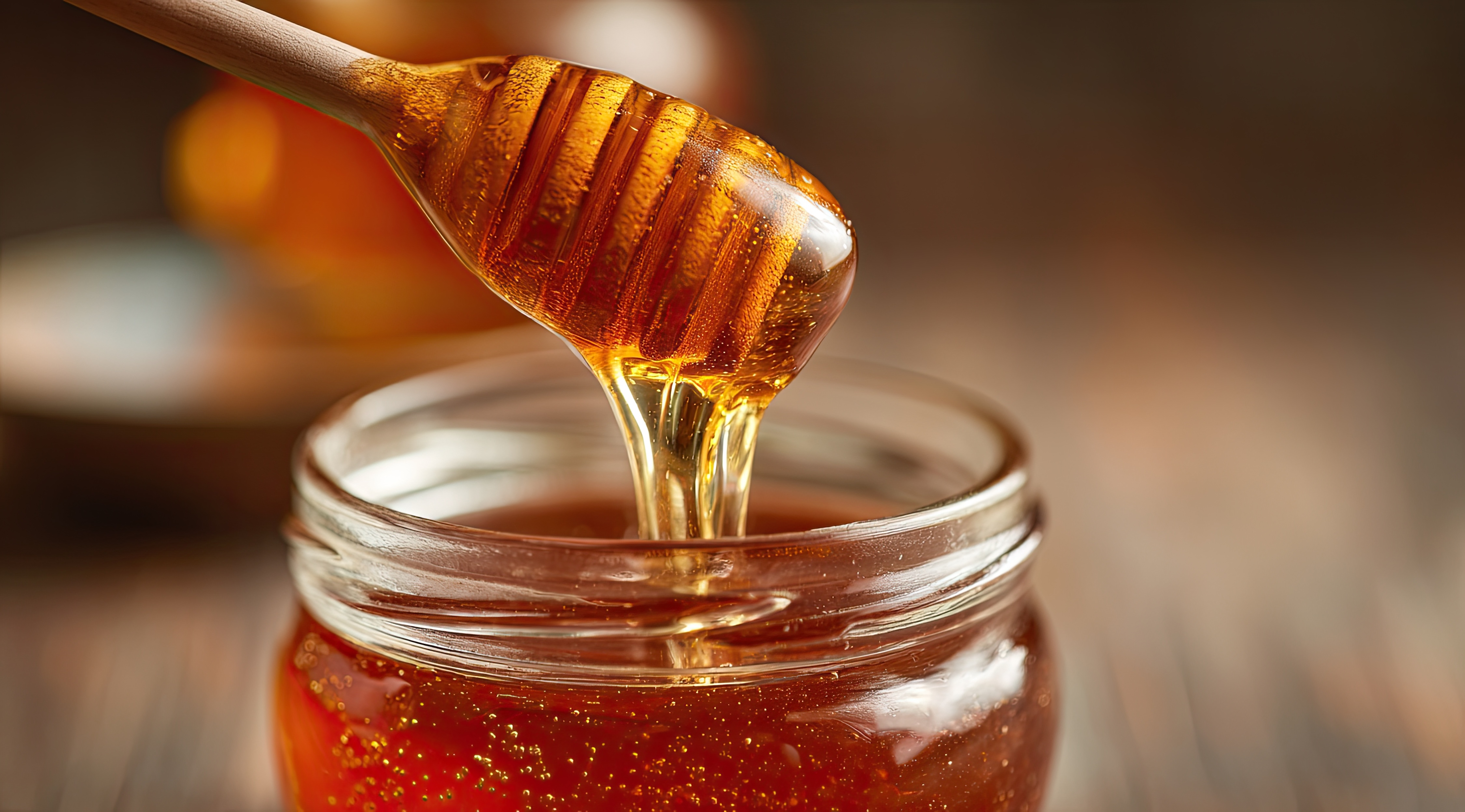
A Sweet History: Honey Through Time
Humans have loved honey for millennia. Fast-forward to today, and chefs worldwide prize honey for its complex flavors—from floral and fruity to earthy and bold. Here are some examples of its long history:
- Ancient Egypt: Over 3,000 years ago, Egyptians kept bees in clay pots. They used honey as food, as a gift for their gods, and even to help heal cuts.
- Ancient Greece: Greek athletes ate honey for energy. They believed it made them strong and fast.
- Ancient China and India: Old texts from these places describe honey as a special medicine.
- In Caves: Scientists have found cave paintings from over 8,000 years ago depicting people climbing to collect wild honey from hives.
- Honey was so special that in some cultures, it was used like money. People traded honey for other goods because it was sweet, rare, and useful.
Why it matters for your kitchen: Historical longevity = culinary reliability. Honey’s versatility has stood the test of time, making it a wise pantry investment.
What’s in Honey?
Honey is primarily composed of sugars like fructose and glucose. The specific nutritional profile of honey varies based on its floral source, environmental conditions, and processing. Raw honey, which is unfiltered and unprocessed, retains more of its natural enzymes, antioxidants, and pollen compared to processed honey. Here’s the breakdown:
Main components
Sugars: Honey is approximately 80% sugar, mainly fructose and glucose, which is why it’s a quick source of energy.
Water: Water makes up about 15–20% of honey.
Vitamins and minerals
-
Vitamins:
Includes small amounts of B vitamins (like riboflavin and niacin), B6, pantothenic acid, and vitamin C.
-
Minerals:
Trace minerals include potassium, calcium, magnesium, phosphorus, sodium, iron, zinc, and copper.
Other beneficial compounds
-
Antioxidants:
Honey contains various antioxidants, including flavonoids and phenolic acids, which can help protect cells from damage.
-
Amino acids:
It contains a variety of amino acids, the building blocks of protein, although in very small quantities.
-
Enzymes:
Enzymes in raw honey can aid in its digestion.
Health Benefits: More Than Just a Sugar Swap
Busy adults deserve ingredients that pull double-duty. Honey delivers:
- Natural Energy Boost: Its blend of fructose and glucose provides sustained energy without the crash of refined sugar.
- Immunity Support: Raw honey contains antioxidants and antimicrobial properties, perfect for fending off seasonal sniffles.
- Gut Health Hero: Studies suggest honey may promote good gut bacteria, aiding digestion (perfect after a heavy meal!).
Pro Tip: Opt for raw, local honey whenever possible. It retains more nutrients and may help with seasonal allergies!
Safety note: Infants and botulism risk
Never give honey to infants under one year old. Honey can contain spores of Clostridium botulinum that an infant’s digestive system may not be able to handle. The CDC provides clear guidance on this important safety point.
Pairing Honey Like a Sommelier
Not all honey is the same! Matching varieties to dishes can elevate your cooking:
| Honey Type | Flavor Profile | Perfect Pairing |
| Clover | Mild, floral | Yogurt, oatmeal, tea |
| Buckwheat | Bold, malty | BBQ sauces, roasted veggies |
| Orange Blossom | Citrusy, bright | Goat cheese, grilled shrimp, salmon |
| Manuka | Earthy, medicinal | Immune-boosting teas, dressings |
Expert Insight: Darker honeys (like buckwheat) have stronger flavors and more antioxidants.
Culinary uses that simplify dinner
Honey is incredibly versatile in savory and sweet contexts. Here are practical ways to put it to work on weeknights:
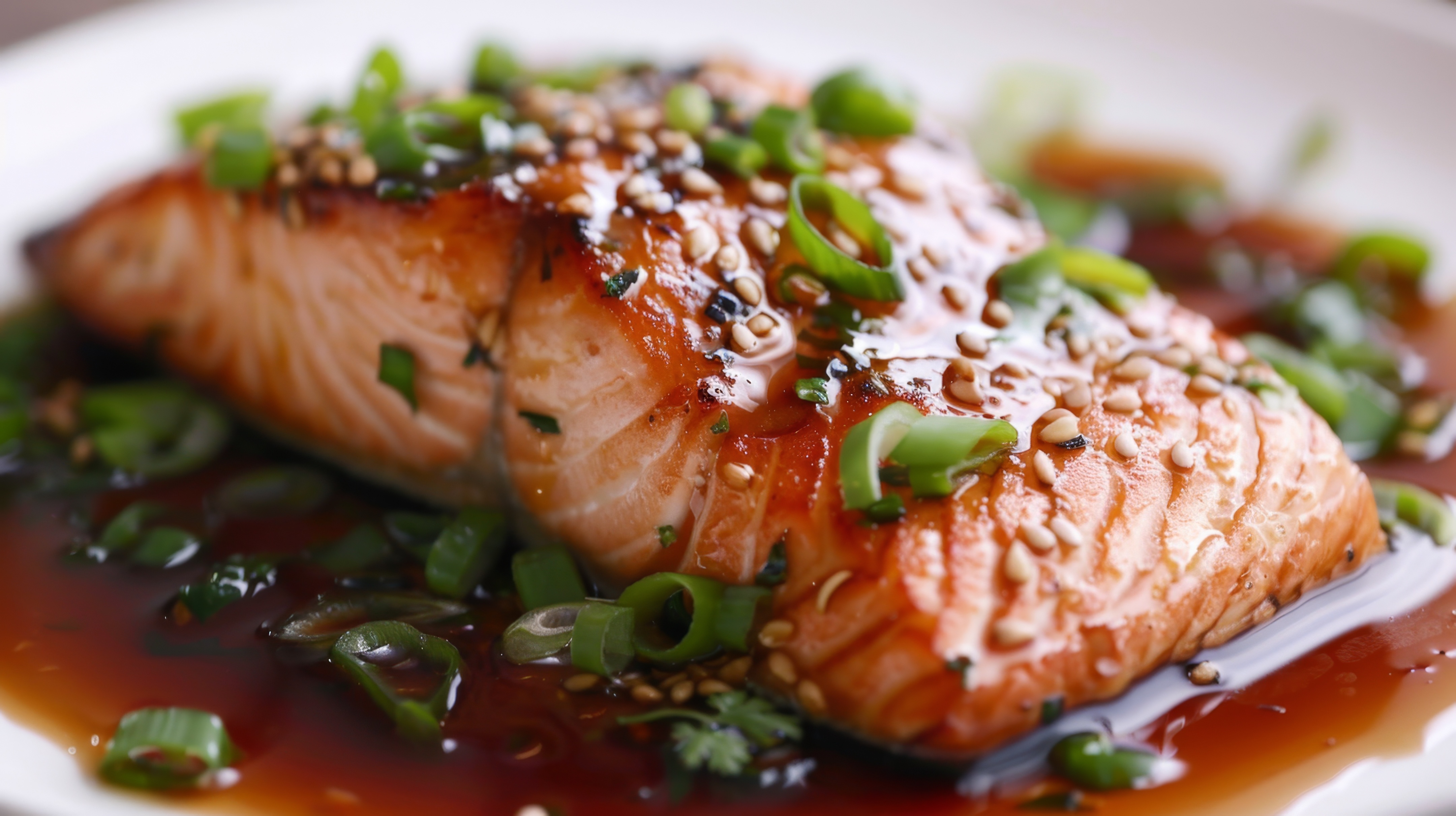
- Glazes and marinades: Mix honey with soy sauce, garlic, and a splash of vinegar for an instant sticky glaze for chicken or salmon. Honey helps create that desirable caramelized exterior without burning too fast if you manage the heat carefully.
- Dressings and vinaigrettes: Swap part of the oil or sugar in a vinaigrette for honey. It balances acidity and clings beautifully to greens, roasted vegetables, or grain salads.
- Roasting vegetables: Drizzle root vegetables like carrots, parsnips, or sweet potatoes with a little honey and olive oil before roasting. The honey encourages browning and a subtle sweet-savory finish.
- Balancing spice: If a dish turns out too spicy, a teaspoon of honey can calm the heat without dulling other flavors the way dairy or starch might.
- Baking and finishing: Honey can replace some sugar in baking (remember that it’s a liquid sweetener; adjust liquids accordingly). Brush a little warmed honey on bread, pizza crust, or fruit tarts for shine and flavor.
Storing Honey Like a Pro
- Keep it in a cool, dry place (no fridge—it’ll crystallize faster!).
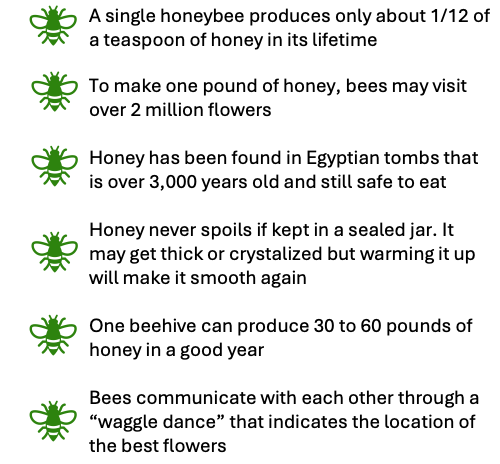
- If it crystallizes, place the jar in warm water until liquid again.
- Shelf life: Basically forever. Archaeologists found 3,000-year-old honey that was still edible!
Fun Facts!
Sustainability Note: Support Your Local Bees
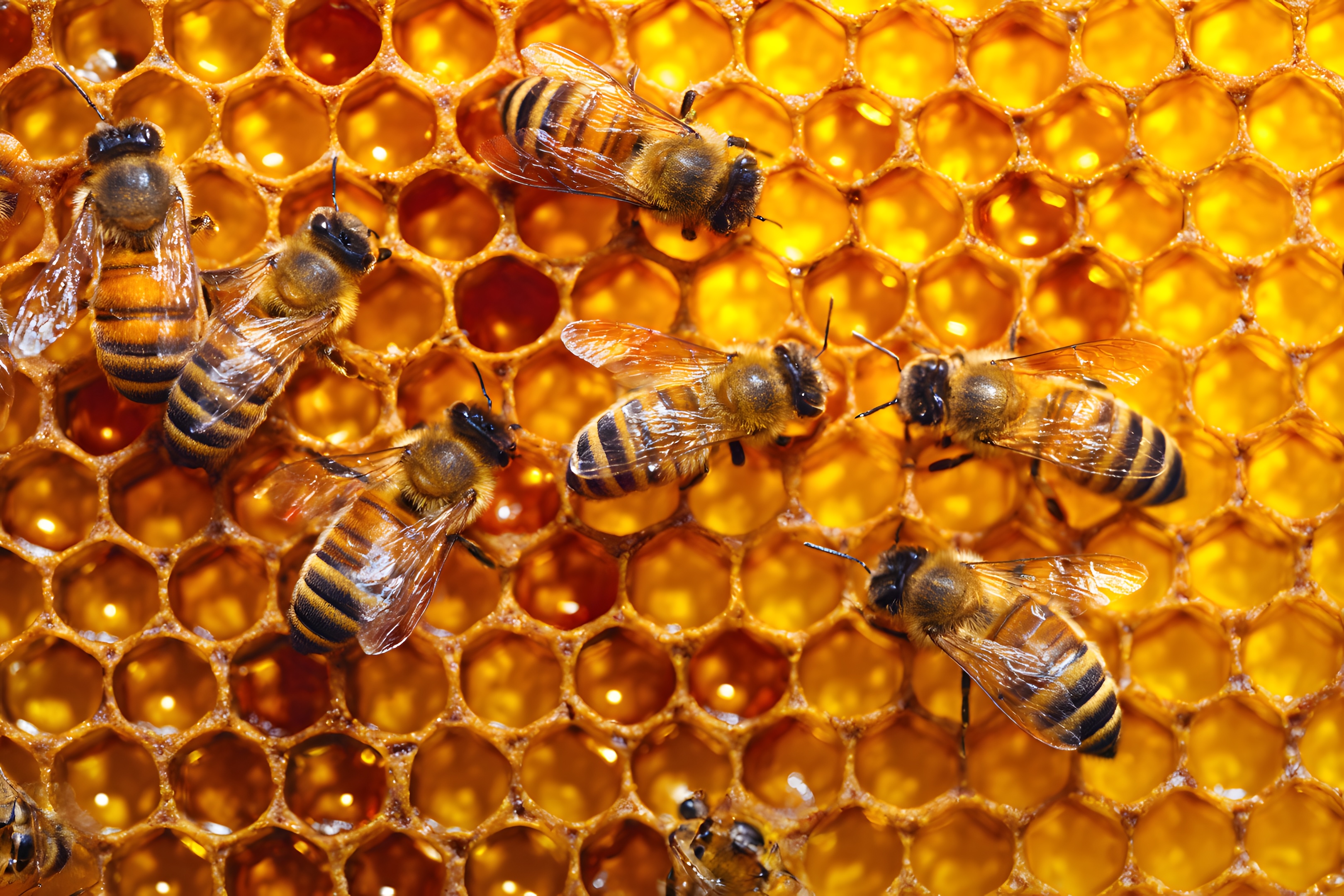
Bees pollinate 1/3 of the food we eat. Buying local honey helps beekeepers maintain healthy hives. Check farmers’ markets or sites like LocalHoneyFinder.org.
Final Takeaway: Honey isn’t just a sweetener—it’s a flavor amplifier, time-saver, and nutritional powerhouse. Whether you’re glazing, dressing, or drizzling, this ancient ingredient can transform rushed weeknights into meals worth savoring.