

Food Cravings: Why They Happen — and What Actually Helps
You’re standing in the kitchen, and suddenly that handful of chips, cookie, or late-night bowl of ice cream seems to be calling your name.
Food cravings can feel powerful — almost like they come out of nowhere. Many people assume cravings mean a lack of willpower, but that’s usually not what’s happening at all.
Cravings are a normal part of being human. They can be influenced by biology, emotions, habits, environment, stress, and even simple things like lack of sleep or skipping meals. The good news? You do not have to fight cravings with sheer determination. Understanding them often makes them much easier to manage.
First: Not All Cravings Mean the Same Thing
Sometimes your body is asking for energy.
If you skipped lunch and suddenly want a giant cinnamon roll at 4 PM, your body may simply be trying to solve a fuel problem quickly.
Other times cravings are tied to emotion.
Stress, boredom, loneliness, celebration, exhaustion, or habit can all trigger a desire to eat — not because the body needs calories, but because the brain has learned that food provides comfort, distraction, or relief.
And sometimes cravings are simply learned patterns.
Movie night might equal popcorn. Afternoon meetings might equal chocolate. Passing a favorite coffee shop might trigger an automatic desire for a pastry.
Recognizing which kind of craving you’re experiencing is often the first step. 
Try asking:
“Am I physically hungry, emotionally drained, stressed, bored, or simply responding to a habit?”
You do not need a perfect answer. Even a brief pause creates awareness.
A Little Science: Your Brain Is Doing Its Job
Cravings don’t just happen in your stomach — they happen in your brain.
The brain is designed to help keep us alive by encouraging us to seek things that provide energy and reward. When we eat enjoyable foods, especially foods rich in sugar, fat, or salt, the brain releases chemicals such as dopamine. Dopamine is often called the brain’s “feel-good” chemical, but its bigger job is helping us notice and repeat behaviors that feel rewarding.
Over time, the brain begins making connections:
“I was stressed and ate cookies. I felt better.”
or
“Every Friday night I eat pizza and relax.”
Eventually, the brain can begin anticipating the reward before the food even arrives. Sometimes just seeing a commercial, smelling popcorn, or driving by a favorite restaurant can activate the desire to eat.
That doesn’t mean your body is weak or broken. It means your brain is doing what it evolved to do — learn patterns and repeat experiences that feel good.
The challenge is that today’s world offers highly rewarding foods everywhere, all the time.
Avoid the “White Bear” Problem
Have you ever noticed that the harder you try not to think about something, the more you think about it? Food often works that way.
Declaring certain foods completely off-limits can make them feel more powerful and desirable. Restrictive thinking often creates a cycle:
“I shouldn’t eat it…” → think about it constantly → eventually eat it → feel guilty → repeat.
So, instead of thinking: “I can never have this” Try: “I can have this if I choose to. I’m deciding whether it fits what I want right now.”
That small shift changes food from forbidden to intentional.
Planning Ahead: One of the Most Powerful Tools Against Cravings
Many cravings don’t happen because we suddenly lose self-control. They happen because we’re tired, hungry, rushed, stressed, or forced to make decisions in the moment.
When energy is low, the brain naturally looks for the easiest, fastest source of reward. That’s one reason cravings often seem strongest at the end of a long day.
Planning ahead reduces the number of decisions you need to make when you’re already depleted.
Think of planning as creating support for your future self.
Examples might include:
- Eating regular meals rather than accidentally going all day without food
- Packing a protein-rich snack before running errands
- Preparing healthy foods ahead of a busy week
- Keeping easy, satisfying options available at home
- Deciding in advance what dinner will be
Research consistently suggests that when people make decisions ahead of time — before hunger, stress, or fatigue take over — they often make choices that align more closely with their long-term goals.
Planning doesn’t eliminate cravings.
It simply makes it easier to respond thoughtfully instead of automatically.
Practical Strategies That Can Help
Eat consistently
Long gaps without eating can make cravings much stronger and harder to manage.
Balanced meals that include: 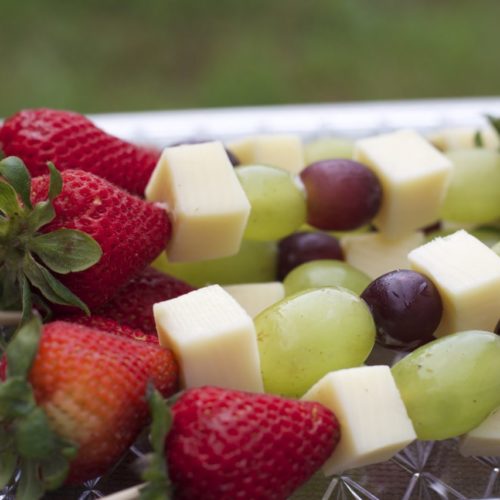
- Protein
- Fiber
- Healthy fats
- Fruits and vegetables
often help create steadier energy and reduce the “I need something NOW” feeling.
Sleep matters more than most people realize
Even one or two nights of poor sleep can affect hormones involved in hunger and fullness and increase cravings for highly rewarding foods.
When we’re tired, the brain tends to seek quick energy and comfort.
Create a pause, not a rule
You don’t necessarily need to say no.
Instead, try waiting five or ten minutes. 
Drink a glass of water, walk outside, change rooms, stretch, or take a few deep breaths. These small actions create space between the craving and your response, giving you a chance to decide whether you’re experiencing hunger, stress, fatigue, or simply a habitual urge.
Some people find that chewing gum, having a mint, or brushing their teeth creates a useful interruption between the craving and the response. These strategies won’t eliminate hunger, but they can provide a brief pause that makes intentional choices easier.
Sometimes the craving fades. Sometimes it doesn’t. But you give yourself a chance to make a choice instead of reacting automatically.
Change the environment
We often think self-control lives entirely inside us, but our surroundings matter.
If candy sits on the counter all day, your brain receives repeated reminders.
Simple adjustments can help:
- Keep ready-to-eat fruit visible

- Portion treats rather than eating from large containers
- Keep satisfying snacks available
Good habits often depend more on good systems than good willpower.
Sometimes the Best Answer Is to Eat the Food
This may sound surprising, but occasionally the healthiest response to a craving is simply enjoying what you want.
Eating a cookie intentionally can look very different from eating six cookies quickly while feeling out of control.
The goal is not perfection.
The goal is building a healthier relationship with food — one where you can notice cravings, understand them, and respond thoughtfully rather than automatically.
Because coping with cravings isn’t about winning a battle against yourself. It’s about learning what your mind and body are trying to tell you.