
Swapping traditional refined white pasta for mung bean or black bean noodles is one of the easiest ways to upgrade your evening meal. While regular flour pasta often leaves you feeling sluggish and hungry a few hours later, these vibrant, legume-based alternatives completely transform dinner into a nutrient-dense powerhouse.
Packed with clean, plant-based protein and complex carbohydrates, bean pastas deliver sustained energy without the typical carb crash. Whether you are managing your blood sugar, cutting out gluten, or simply trying to sneak more whole foods into your diet, these noodles offer an easy, delicious solution that requires zero extra cooking skills.
The Powerful Health Benefits of Legume Pastas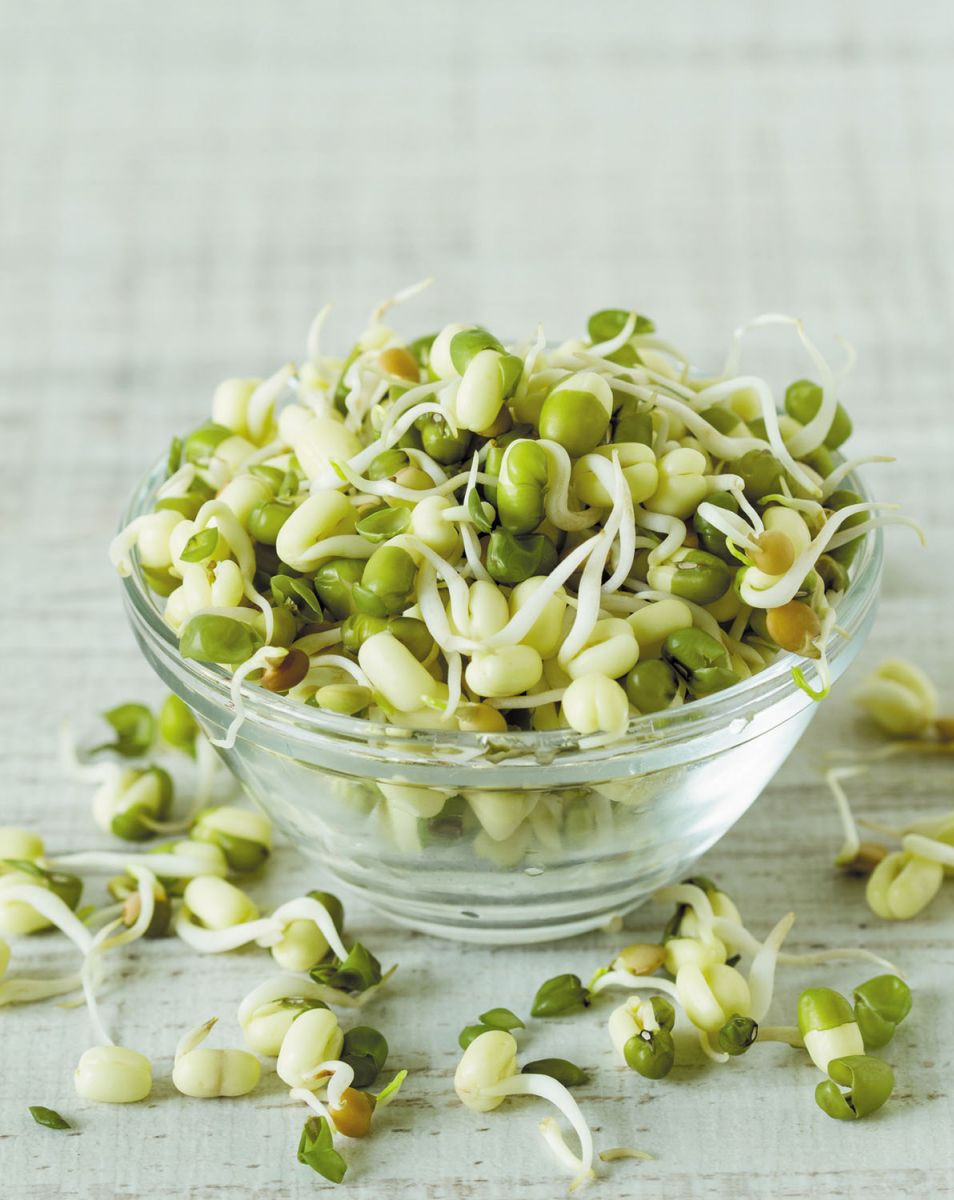
Making the switch to mung bean or black bean noodles does more than just change the color of your plate. It fundamentally changes the nutritional profile of your meal:
- Massive Protein Boost: A standard serving of bean pasta can boast up to 25 grams of plant plant-based protein. This easily rivals a chicken breast, allowing you to skip meat entirely while still meeting your daily macro goals.
- High in Satiating Fiber: These pastas feed your beneficial gut bacteria and slow down digestion. The high fiber content keeps you feeling full for hours, making it much easier to skip late-night kitchen raids.
- Blood Sugar Friendly: Legumes have a very low glycemic index. Unlike traditional wheat noodles that cause sharp insulin spikes, bean pastas provide a steady release of glucose into your bloodstream.
- Rich in Essential Minerals: Black bean and mung bean varieties are naturally packed with iron, potassium, and magnesium, supporting heart health and daily energy levels.
- Naturally Gluten-Free: These noodles are made entirely from beans and water, making them a safe, celiac-friendly alternative that does not sacrifice texture.
Budget-Friendly Nutrition: A Money-Saving Dinner Choice
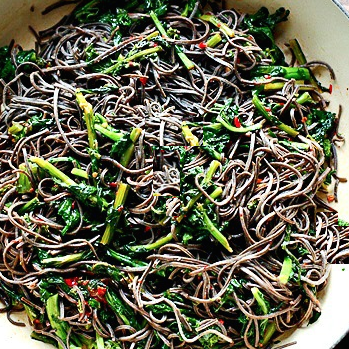 At first glance, a box of organic bean pasta looks more expensive than a cheap box of white flour noodles. However, looking at the total cost of the plate reveals that it is actually a massive money-saver:
- The All-in-One Protein Source: Traditional pasta requires you to buy an expensive secondary protein like chicken, beef, or tofu to make it a complete meal. Because bean pasta inherently packs up to 25g of protein per serving, it eliminates the need—and the cost—of buying meat.
- Maximum Fullness, Fewer Servings: Wheat pasta is notoriously easy to overeat because it lacks fiber, leading you to cook larger quantities. Bean pastas are dense and highly filling; you eat a smaller portion size to achieve the same level of fullness, making a single box stretch across more meals.
- A Complete Dinner for Under $4.00: When paired with seasonal vegetables and simple pantry staples like olive oil or tamari, a restaurant-quality, protein-packed dinner costs only $2.00 to $4.00 per serving.
Flavor Profiles and Kitchen Inspiration
One of the best things about bean pastas is their ability to absorb bold flavors. Because they have a slightly earthier taste than wheat, they pair beautifully with rich, robust sauces.
Black Bean Pasta 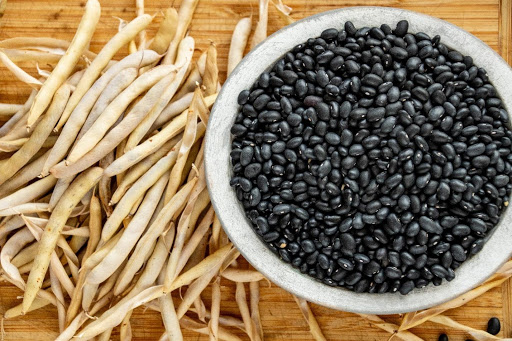
These dark, dramatic noodles have a firm, al dente texture. They pair beautifully with:
- Zesty Mexican Flavors: Toss fettuccine-style black bean noodles with fresh avocado, cilantro, lime juice, corn, and cherry tomatoes.
- Rich Umami Sauces: Coat the noodles in a savory garlic-miso or peanut-sesame sauce.
- Spicy Arrabbiata: The heat of crushed red pepper flakes cuts through the earthiness of the bean beautifully.
Mung Bean Pasta
Typically lighter in color and texture, mung bean noodles are incredibly versatile. They shine brightest in:
- Quick Summer Stir-Fries: Toss with sesame oil, fresh ginger, snap peas, and scallions for a fast weeknight meal.
- Garlic and Herb Toss: Keep it simple with a heavy drizzle of extra virgin olive oil, minced garlic, and fresh basil.
- Cold Noodle Salads: Rinse the cooked noodles in cold water and toss with a tangy rice vinegar dressing and shredded cucumbers.
Cooking Tips for Perfect Texture
Because bean pastas behave differently than wheat, it’s important to keep these two rules in mind:
- Watch the Clock: Bean noodles cook quickly and can turn mushy if left in boiling water even a minute too long. Start testing the texture at the 4-minute mark.
- Rinse After Draining: Give the cooked noodles a quick rinse with cold water right after draining. This removes excess starches and prevents the noodles from sticking together.