
How to host Labor Day weekend and still take the day off
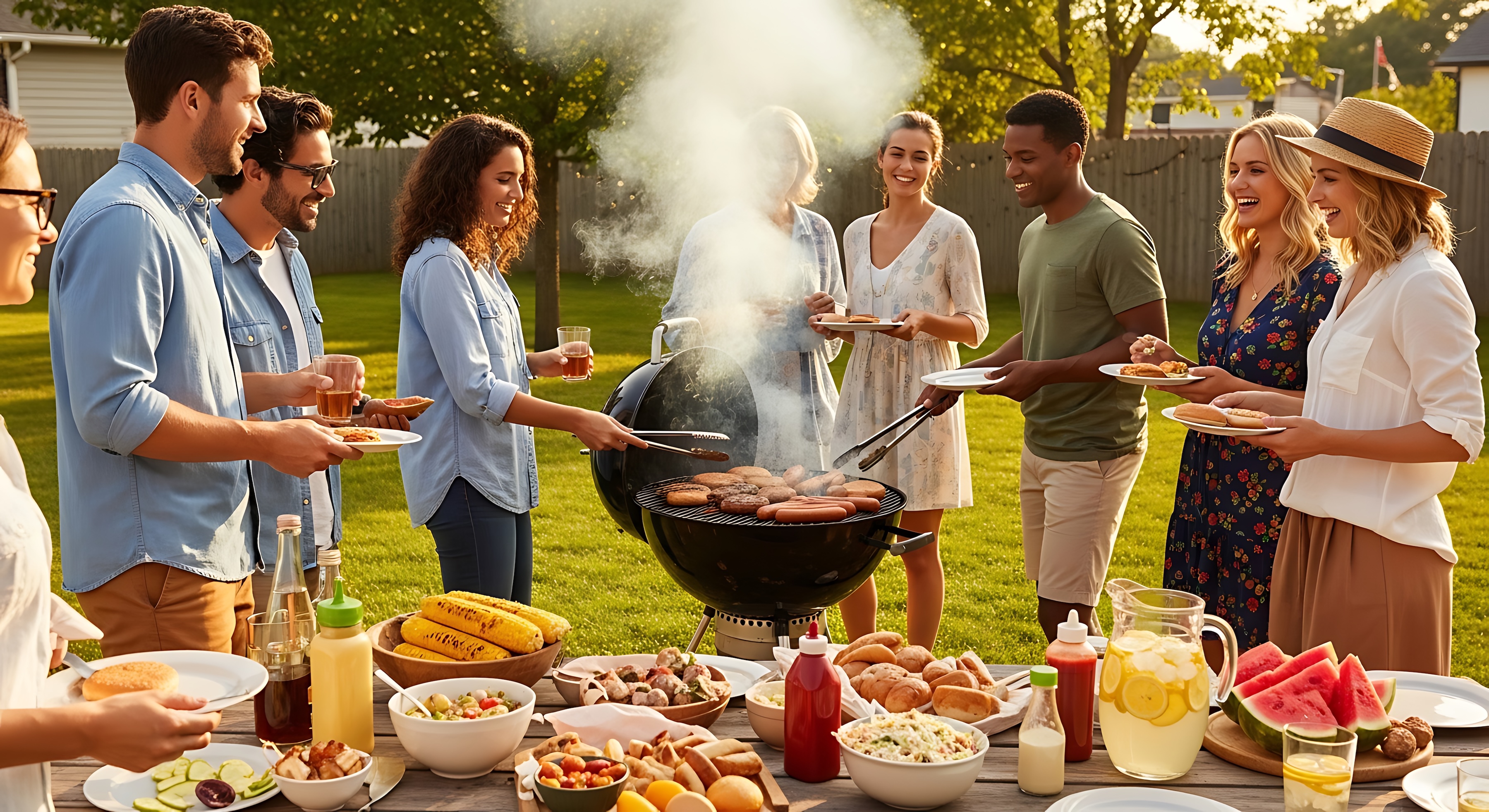 Labor Day is the last big cookout of the season—and the one most worth planning ahead.
There’s a joke buried inside Labor Day that nobody standing over a hot grill finds especially funny. The holiday exists because working people fought for rest. The first one—Tuesday, September 5, 1882, in New York City—was a parade and a picnic organized by the Central Labor Union, staged to prove that a day could belong to the people doing the work. President Grover Cleveland signed it into federal law in 1894. And somewhere in the century and a half since, the person hosting the cookout quietly stopped getting the day off.
This year, take it back. Not by giving up and ordering pizza, but by moving the work earlier, into small, unhurried pieces across the weekend, so that by Monday afternoon you’re mostly standing around with a cold drink while something excellent happens on the grill more or less without you.
Here’s how that actually works.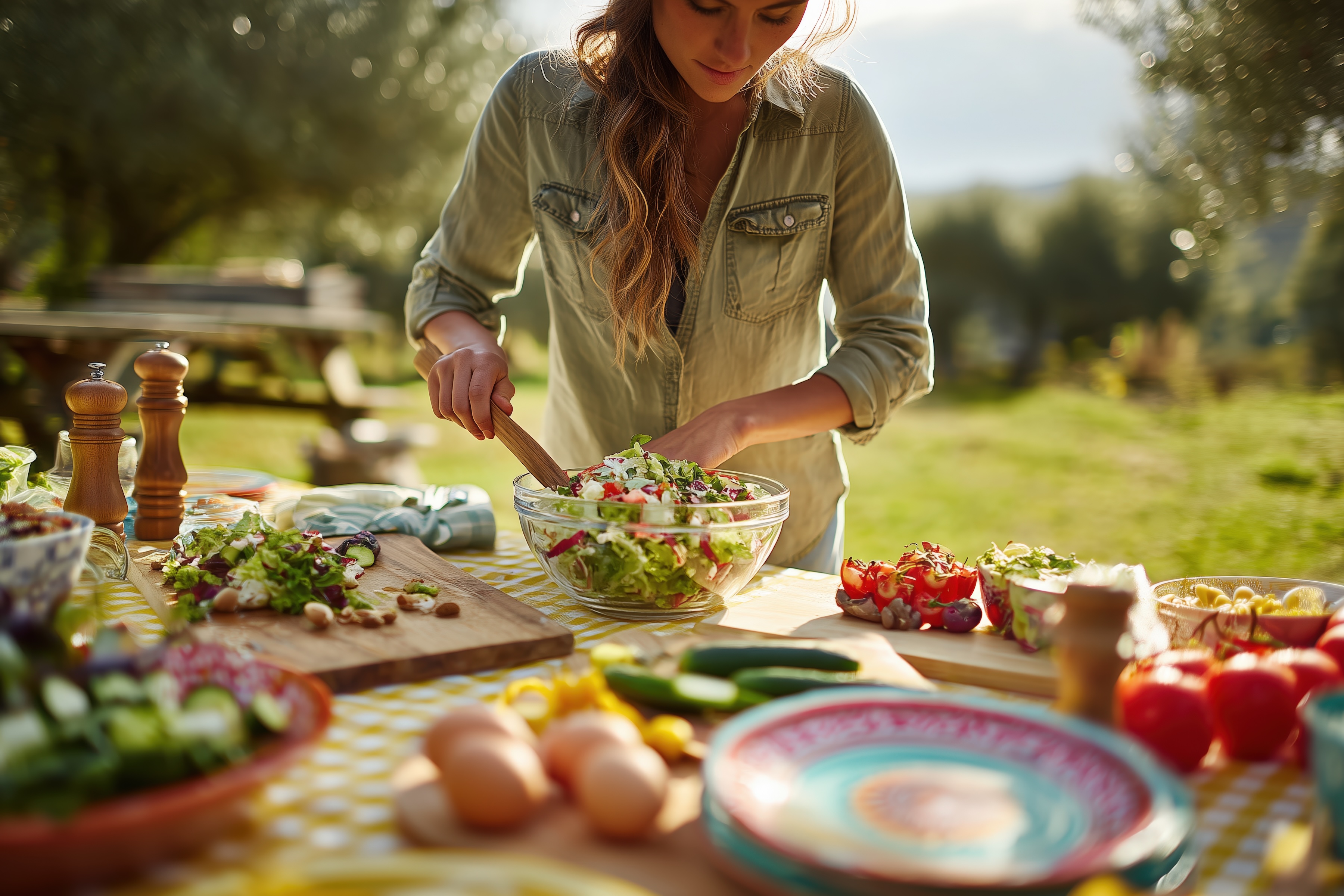
Build the menu backward from Monday
Most cookout stress isn’t cooking. It’s deciding. Standing in the kitchen at 11 a.m. on the holiday wondering whether you have enough sides, whether the buns are the right kind, whether anyone will eat the pasta salad — that’s the part that eats the day.
So decide on Thursday. Pick one protein, three sides, one dessert, and stop. That’s a real spread for a real crowd, and the ceiling on how impressed anyone will be does not rise with a fourth side. Build your grocery list off that menu in one pass, shop once, and then let the decisions stay decided. A plan you made calmly on Thursday is worth more than three extra dishes improvised on Monday.
Chop on Saturday, dress and marinate on Sunday — Monday is for the grill and nothing else.
Make-ahead isn’t a compromise. It’s the better version
The genuinely useful secret of holiday cooking is that a lot of cookout food is better the next day. This isn’t a consolation prize. It’s how these dishes are supposed to be made.
Slaws want time. An hour after you dress a cabbage slaw, it’s crunchy and a little raw-tasting; overnight, the salt has softened everything and the dressing has actually gotten into the vegetables. Bean salads and grain salads are the same story — they go from a pile of ingredients to a single dish somewhere around hour six. Potato salad needs to be fully cold to taste like itself. Dips are better on day two, every time. And any marinade worth using needs at least a few hours anyway, so making it Saturday costs you nothing and buys you tenderness.
Practically: do your chopping Saturday, dress and marinate Sunday, and reserve Monday for exactly one job — the grill. That’s it. That’s the whole trick.
One protein, cooked well
The most common Labor Day mistake is a grill running four different things at four different temperatures while the cook does frantic mental math and everything lands cold.
Choose one main and commit. If you want variety, get it from the sides, where variety is cheap and can be made in advance. Set up two heat zones — one hot for searing, one cooler for finishing — so nothing has to be watched every second. Pull everything off the heat and let it rest before slicing; that rest is also your window to get the sides out of the fridge, which is not a coincidence.
If you’re feeding a mixed crowd, throw a tray of vegetables on the cool side early. They’re happy at any temperature; they cover your vegetarian guests, and they don’t need you.
Vegetables parked on the cooler side of the grill: happy at any temperature, and they don’t need watching.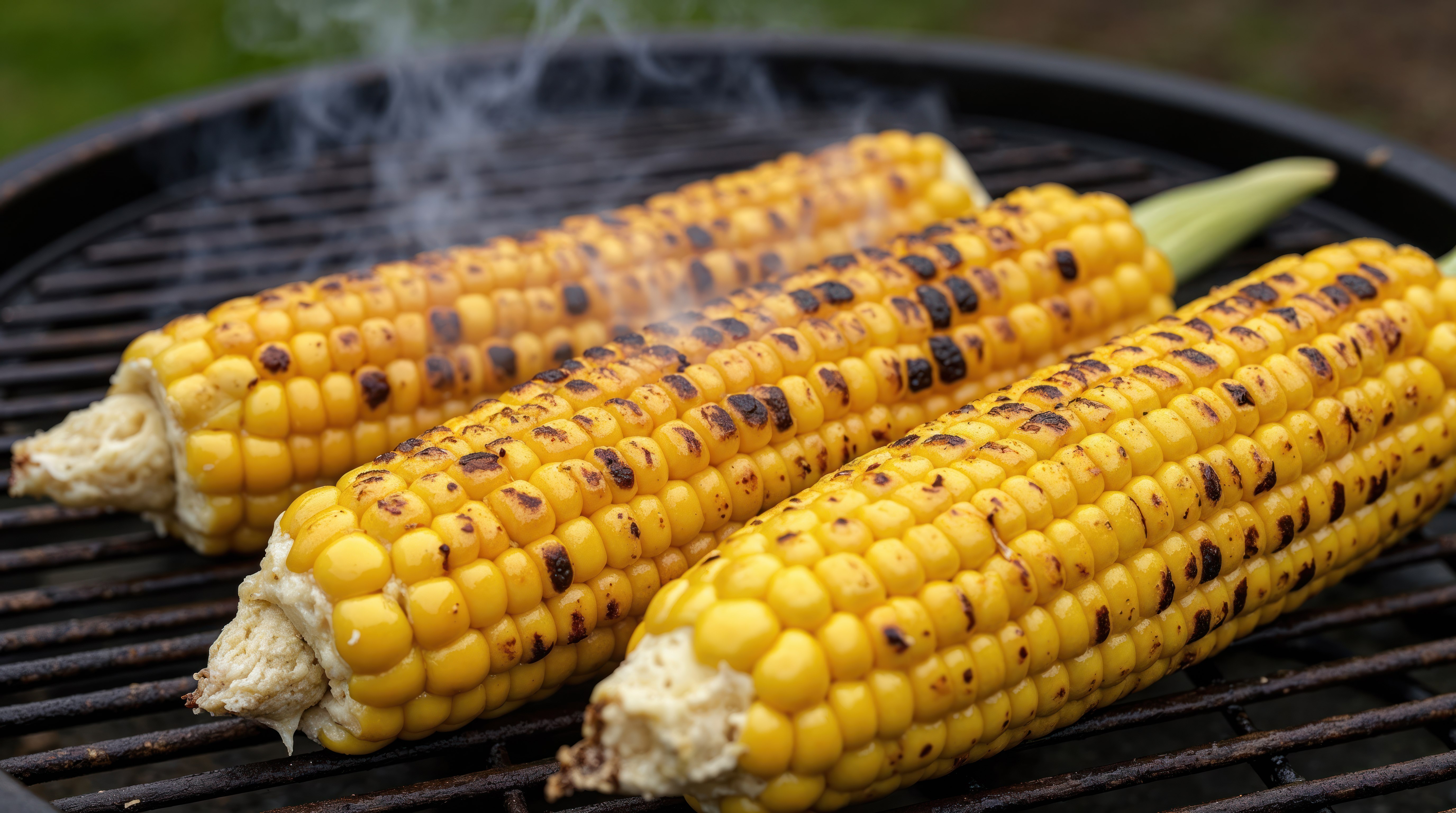 Let September produce do the heavy lifting
Labor Day sits right at the hinge of the year. Corn, tomatoes, peaches, peppers, and stone fruit are all at their absolute best for roughly another three weeks, and then they aren’t. This is the last honest weekend of summer produce, which is a gift to anyone hosting, because peak-season food needs almost nothing done to it.
Sliced tomatoes with flaky salt and good olive oil is a side dish. Grilled corn with lime and butter is a side dish. Peaches halved and put over the dying coals, served with whipped cream, is dessert.
The actual point
If you plan it right, Monday looks like this: the fridge is full of food that finished itself overnight, one thing is on the grill, and you’re sitting in a chair in your own backyard, in a conversation, holding a plate.
That’s not laziness. That’s the entire premise of the holiday. The one those marchers in 1882 were making a point about. The cookout is the celebration, not the labor.
So do the work early this weekend. Then, on Monday, do what the day was built for: as little as possible.