

Raise your hand if you want to cook delicious meals without a lot of extra effort. My hand is raised way up and I’m yelling out “Me! Me! Me!” Occasionally, I’ll try a new and more challenging recipe but let’s get real…I don’t have a ton of time and yet dinner needs to get on the table.
I’ve developed a few ‘go-to’ strategies over the years that help me out, one of which is to roast as much as possible. We roast everything from meats to most of our veggies and even fruit. It’s so easy.
Unlike wet techniques of cooking such as steaming, braising or stewing, roasting is a dry cooking method. The dry heat surrounds the pan to cook the ingredients evenly. It’s practically a hands-free method of cooking!
Roasting Tips
Temperature:
There are two types of temperatures in roasting: external (oven setting) and internal (temperature inside the meat). Many meat recipes start off the cooking at a high oven setting such as 500 °F to sear the meat, creating a nice crust and locking in juicy flavor, before turning the temperature down after about 15 minutes. Most larger cuts of meat do best when cooked longer and slower for all-over, even cooking. No need to open the door of the oven while cooking. In fact, it’s best not to open the door, so the heat stays consistent. Invest in a meat thermometer to check the internal temperature. Note that the internal temperature for most meats will increase 10 °F after it comes out of the oven while resting. Check out this Foodgov resource for cooking times and temperatures of meat and poultry. Tip: if your recipe for your roasted vegetables calls for a different oven setting than your meat, not too worry! Roasted vegetables can be cooked at nearly any oven temp – they’ll just need more time at a lower setting than a higher one. Let them develop a nice crust by roasting them with a light coat of oil, in a single layer, and don’t stir them until at least halfway through the cooking time. (If they’re in the same pan as the meat, no extra fat or oil is generally necessary.)

Roasting Pan:
Using the right pan makes a difference. Roasting occurs when the hot air cooks all around the food, so low-sided pans work best to ensure even heat distribution. For meats, choose a sturdy roasting pan with a rack insert. This will allow the natural fats to drip underneath the meat so you get a tasty, crispy exterior. While I often line my pans with aluminum foil or parchment paper for easy clean-up, if you’re going to make a gravy with the drippings, you’ll want those drippings and brown bits of flavor directly on the pan. Deglazing the pan in the process of making the gravy will make the pan easy to clean.
Meats:
Whole chicken or turkey, beef or pork tenderloin, lamb, beef rib roast and ham do well when roasted.
 Start with room temperature meat to ensure even cooking. Add rubs or glazes as your recipe directs. Many meats don’t require basting as they have natural fats which will keep the meat moist. Always allow cooked meat to “rest” for 10-20 minutes depending upon the size of the cut. This allows the meat to redistribute its natural juices. If you cut into meat too quickly after it comes off the heat, the juices will run out, leaving you with dry meat.
Smaller cuts such as chops, chicken breasts and fish fillets can dry out if roasted. Most recipes for these smaller cuts will call for a quicker cooking method such as grilling or sautéing, or for baking in a sauce.
Vegetables:
Roasting vegetables bring out their natural sweetness. Dense veggies such as Brussels sprouts, carrots, cauliflower, potatoes etc.… are perfect for roasting. Onions, peppers, radishes, beets, zucchini, squashes of all kinds, I can go on and on about all the vegetables I love roasted! I’ve added all sorts of veggies to my roasting pan, even some spinach and kale. My favorite trick is to use up that extra asparagus or broccoli that I’ve found in the fridge. I generally add them towards the end of the cooking time if they are less dense than the other veggies. Cut all veggies into similar sized pieces for even cooking. Toss with olive oil, add some herbs (my favs are rosemary and thyme) and throw on your baking sheet. I usually put the cut side down on the sheet to get that nice caramelized effect. Roast at about 375 °F to 400 °F for 30-40 minutes and then test for doneness. So easy!

Fruits:
Yum! Yes, you can roast all kinds of fruits, including orange slices, grapes and figs. They are not only pretty but the roasting really intensifies the sweetness. They make great additions to dishes such as fish, chicken and salads. Who needs candy when you can roast cut strawberries for a sweet and all natural treat? Toss with olive oil or canola oil and place on pan. I use parchment paper to reduce any sticking. Cook for 15-25 minutes at 400 °F.
Roast up a delicious dinner tonight!
Search for more delightful recipes in your DinnerTime Recipe Box.
Use the filter function (found on right of your DinnerTime Recipe Box search) to find desserts, main dish, side dishes etc.
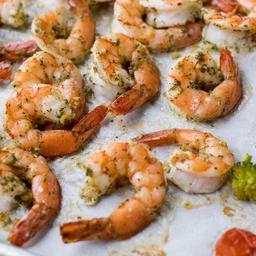
Buttery, garlic goodness.
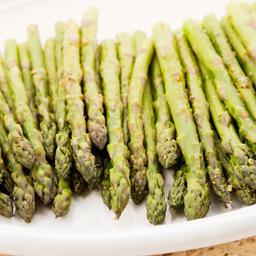
Super easy and delicious!
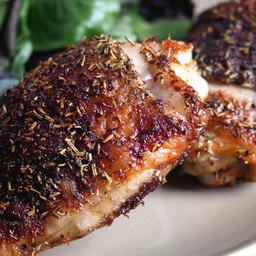
Seasoned just right!