

After a long winter of cozy casseroles, creamy soups, and “heat-and-eat” standbys, early spring is the perfect time to give your pantry a gentle refresh. Think of it as a small reset that makes weeknight dinners feel lighter, brighter, and easier—without giving up comfort or flavor.
Instead of overhauling everything at once, you can make a few smart swaps that work with your real life, real budget, and real schedule. A handful of new pantry staples can open the door to quick, fresh-feeling meals that still come together in 20–30 minutes on a busy night.
Step 1: Take Stock of Your Winter Comfort Staples
You don’t need to toss anything out to transition your pantry; this is about noticing what you’ve been relying on and deciding what you’d like more of this season. Many of us lean on:
- Boxed mixes and helper-style meals.
- Heavier cream-based soups and sauces.
- Refined grains like white pasta and white rice are the main event.
- Snack foods that are quick to grab but not very satisfying for long.
These foods can absolutely still have a place in your kitchen. The goal for spring is to balance them with more ingredients that support steady energy, digestion, and that “lighter” feeling many people crave this time of year. When your pantry makes it easy to reach for beans, whole grains, and vegetables, it becomes much easier to build meals that help you feel good after dinner, not just during it.
 Step 2: Build a “Spring-Forward” Pantry Starter Pack
A spring-friendly pantry doesn’t mean buying specialty ingredients or pricey products. In fact, some of the most versatile items are simple, affordable staples you can keep on hand for months
Here are a few all-stars to add to your next shopping trip:
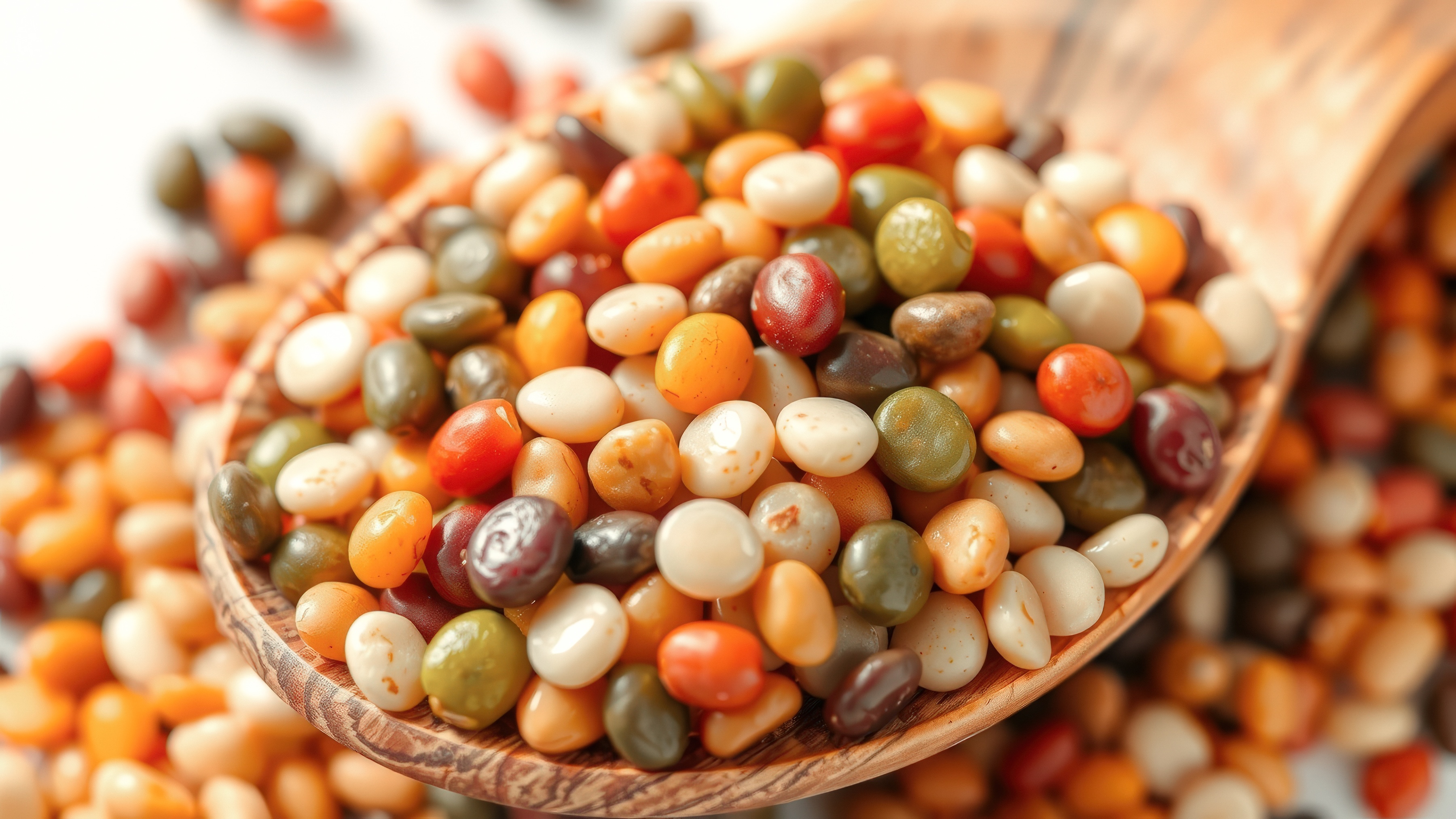
- Canned or boxed beans (black beans, chickpeas, kidney beans, lentils).
They’re ready in minutes, add fiber and protein, and make any meal feel more filling without much effort. - Whole grains (brown rice, quinoa, farro, rolled oats, whole wheat pasta).
These give you more texture and staying power than refined grains, and they pair well with almost everything. - Frozen vegetables (broccoli, spinach, mixed vegetables, peas).
Frozen options are picked at peak ripeness and are a time-saver for quick sautés, stir-fries, and soups. - Canned tomatoes (diced, crushed, or fire-roasted).
These become the base for lighter sauces, skillets, and soups that still taste cozy. - Healthy fats (olive oil, nuts, seeds).
A drizzle of olive oil or a sprinkle of nuts or seeds can make vegetables and grains feel more satisfying and flavorful. - Flavor boosters (garlic, onions, dried herbs, lemon juice, or vinegar).
These small additions brighten meals without making recipes more complicated.
If you’ve ever felt that “there’s nothing to make” even though your pantry is full, these ingredients can change that. With just a few of them on the shelf, it’s much easier to pull together a fresh-tasting dinner with what you already have.
 Step 3: Make Simple Swaps That Don’t Feel Like “Diet Food”
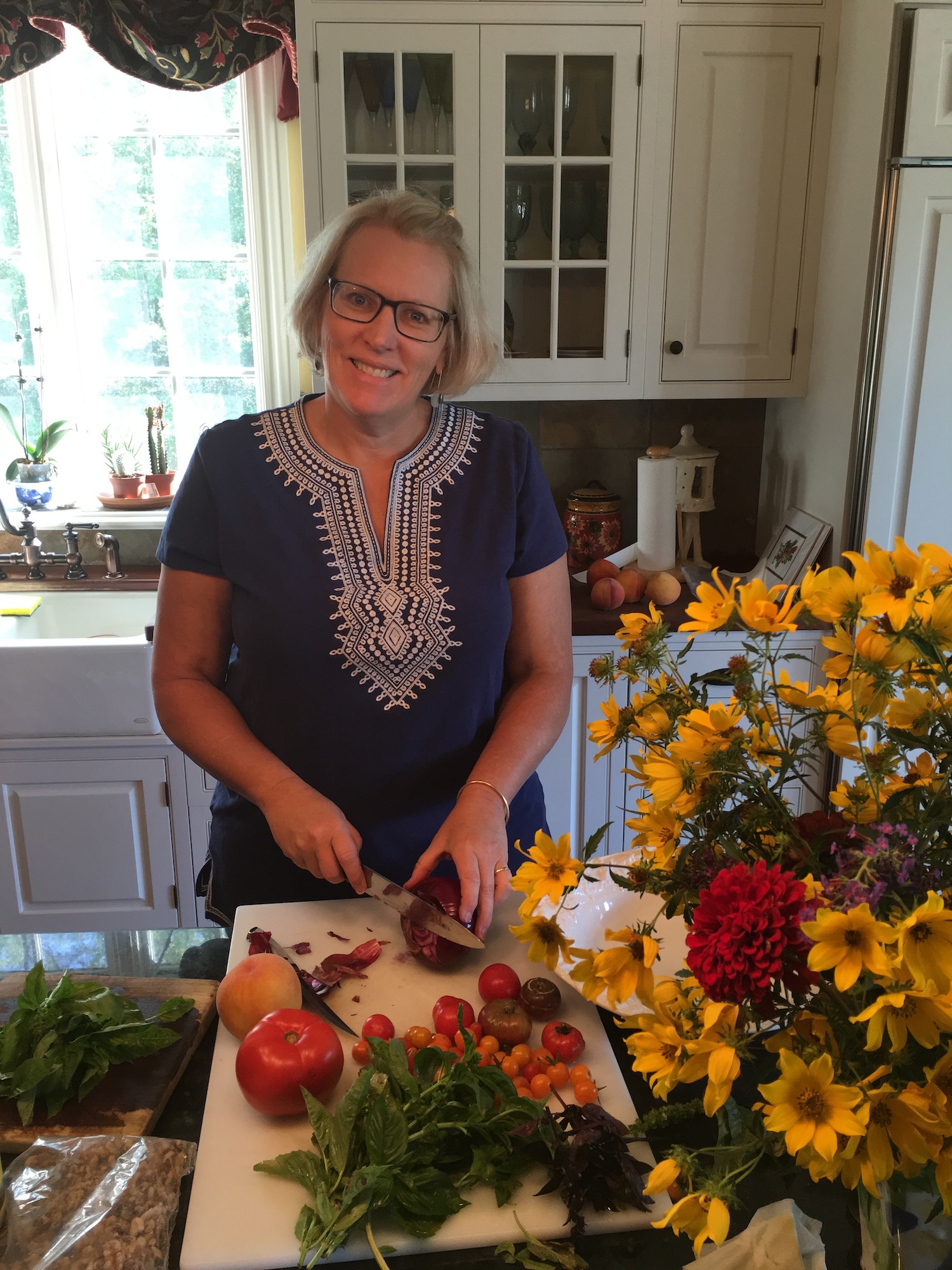
You don’t have to give up the dishes you love to make your meals feel a little lighter for spring. In many cases, you can keep the same basic idea and tweak the base.
Try a few of these easy swaps:
- Pasta night, refreshed.
Keep the pasta, but use whole wheat or add a can of white beans and a bag of frozen spinach to the sauce. You still get a cozy bowl of pasta, just with more texture and staying power. - Sheet-pan comfort, with more plants.
Instead of only roasting potatoes and sausage, add carrots, bell peppers, or frozen broccoli to the pan. Toss everything in olive oil, salt, pepper, and your favorite herbs. - Soup that feels lighter.
If you love creamy soups, try using a base of broth plus canned tomatoes and beans, then stir in a handful of greens at the end. You still get warmth in a bowl, but with more color and variety. - Taco night with a twist.
Keep the tortillas and toppings you enjoy, and add a can of black beans or lentils to the filling. It stretches the meat further and makes the meal more filling.
These kinds of swaps help support steady energy and gentle digestion without feeling like you’re on a strict plan or giving up favorites. Over time, they can also help shift your overall eating pattern in a positive direction, one dinner at a time.
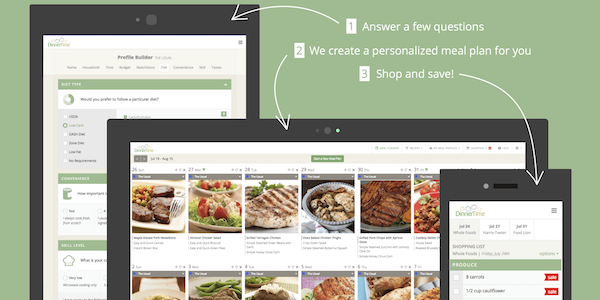
You can search for recipes that match these ideas right in your DinnerTime Meal Planner by plugging in the ingredients you have on hand. The planner can help you find recipes that use your beans, grains, and vegetables so you’re not guessing what to make or letting food go to waste.[1]
 Step 4: Use Your Meal Planner to Shop Smarter for Spring
A refreshed pantry doesn’t have to mean a bigger grocery bill. In fact, some of the most helpful spring staples—like dried lentils, canned beans, oats, and frozen vegetables—are often among the most budget-friendly foods in the store. When you use your DinnerTime Meal Planner before you shop, you can:
- Plan a few spring-friendly dinners around what’s on sale and what you already have in your pantry.
- Avoid duplicate purchases by checking off pantry items you already have.
- Build meals that use ingredients in multiple recipes, which helps reduce waste.
This saves time on busy weeknights because you know what’s for dinner and already have what you need. It also helps you feel more confident that the meals you’re making will support how you want to feel this spring—more energized, more comfortable after eating, and a little more refreshed overall.]
A Gentle Spring Challenge
If a full pantry overhaul feels like too much, try this: choose one or two new pantry staples this week and build just one dinner around them. Maybe it’s a can of chickpeas and a bag of frozen broccoli, or a box of whole wheat pasta and a can of diced tomatoes.
Before your next grocery trip, log in to your DinnerTime Meal Planner, refresh your pantry list, and plan three weeknight dinners that use at least one of your new spring-forward staples. A few small changes now can make the rest of your season feel easier, lighter, and a lot more delicious.