
GLP-1: Nutrition Strategies for Success
Medications like Ozempic, Wegovy, Mounjaro, and Zepbound have changed the conversation around weight loss and blood sugar management. These GLP-1 medications can reduce appetite, slow digestion, and help regulate blood sugar—making it easier for many people to eat less and lose weight.
But there’s an important truth that often gets overlooked:
Eating less is not the same as eating well. 
When your appetite drops dramatically, every bite matters more.
Whether your goal is weight loss, blood sugar control, or improving your overall health, your nutrition choices while on a GLP-1 can make the difference between simply losing weight and building a healthier body.
Why Nutrition Matters More on a GLP-1
GLP-1 medications work by slowing gastric emptying and increasing feelings of fullness. That means you may naturally eat less—but that can create some challenges:
- Not getting enough protein
- Missing key vitamins and minerals
- Losing muscle along with fat
- Dealing with nausea, constipation, or fatigue
- Undereating and then overeating later
Think of it this way: if you’re eating 30–50% less food than before, the quality of that food becomes much more important.
The goal is not just to eat less.
The goal is to nourish more efficiently.
Prioritize Protein First
Protein should be your anchor at meals.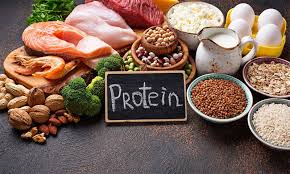
Why? Because protein helps:
- Preserve muscle mass during weight loss
- Improve fullness
- Stabilize blood sugar
- Support recovery and energy
A simple strategy:
Protein first, everything else second.
Before you eat the bread, pasta, or snack foods, ask:
Where is my protein?
Good choices include:
- Greek yogurt
- Eggs
- Cottage cheese
- Chicken
- Turkey
- Fish
- Lean beef
- Tofu
- Edamame
- Protein shakes (especially if appetite is very low)
A practical target for many adults: 20–30 grams of protein per meal. (Individual needs vary.)
Don’t Skip Meals Just Because You’re Not Hungry
One common mistake on GLP-1s is accidentally under-eating.
You may feel fine skipping meals—but over time this can lead to:
- Low energy
- Poor protein intake
- Muscle loss
- Nutrient deficiencies
- Increased weakness or dizziness
Instead of waiting for hunger, consider eating on a loose schedule.
Think:
- Breakfast
- Lunch
- Dinner
- Optional protein-rich snack
Even smaller meals count.
Choose Nutrient-Dense Foods
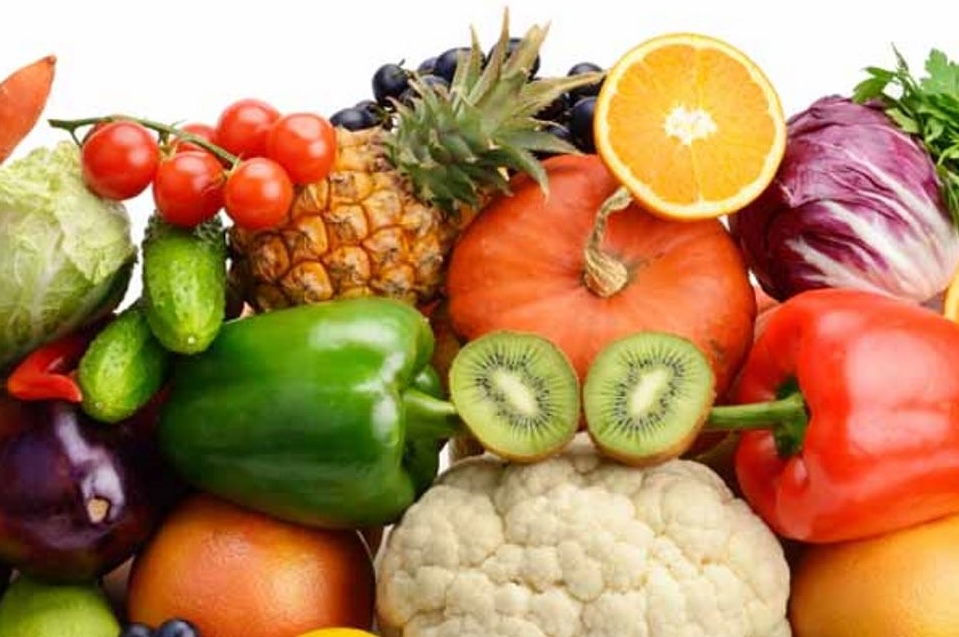
Since your food volume may be lower, choose foods that deliver more nutrition per bite. Focus on:
Protein
Build the foundation.
Fiber
Supports digestion and helps prevent constipation (a common GLP-1 side effect).
Good sources:
- Berries
- Beans
- Lentils
- Vegetables
- Chia seeds
- Oats
Healthy fats
Help with fullness and nutrient absorption.
Examples:
- Avocado
- Nuts
- Seeds
- Olive oil
Colorful produce
Supports vitamins, minerals, and gut health. Aim for variety.
Eat Smaller Portions More Slowly
GLP-1 medications slow digestion.
If you eat quickly or eat large portions, you may feel:
- Uncomfortably full
- Nauseated
- Bloated
Helpful habits:
- Start with half your usual portion
- Eat slowly
- Pause halfway through
- Stop at comfortable fullness
Not stuffed. Just satisfied.
Stay Hydrated
Hydration often drops when appetite drops.
But dehydration can worsen:
- Constipation
- Fatigue
- Headaches
- Dizziness
Try:
- Water throughout the day.

- Herbal tea
- Electrolytes if needed
- Water-rich foods (fruit, soups)
A simple check: If your urine is dark yellow, you may need more fluids.
Manage Nausea with Smart Food Choices
If nausea shows up, simpler foods often work better.
Try:
- Toast
- Crackers
- Yogurt
- Applesauce
- Soup
- Eggs
- Smoothies
Avoid when nauseated:
- Heavy greasy foods
- Large meals
- Very rich desserts
And remember: Sometimes eating a little helps nausea more than eating nothing.
Prevent Constipation Before It Starts
Constipation is extremely common on GLP-1s.
Prevention works better than treatment.
Focus on:
- Hydration
- Fiber
- Walking/movement
- Regular meal timing
Foods that help:
- Kiwi
- Prunes
- Chia
- Oats
- Beans
Increase fiber gradually. Too much too fast can backfire.
Watch for “Protein Avoidance”
Some people on GLP-1s develop food aversions—especially to meat. 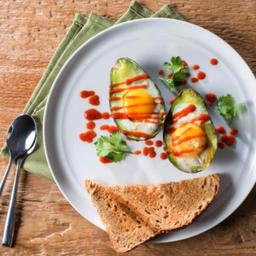
If that happens, pivot instead of forcing it.
Alternatives:
- Greek yogurt
- Cottage cheese
- Protein shakes
- Eggs
- Tofu
- Lentils
- Soft fish
Flexibility matters.
Weight Loss Is Not the Only Goal
The scale can be motivating, but ask bigger questions:
- Am I keeping my strength?
- Do I have energy?
- Am I eating enough protein?
- Is my digestion okay?
- Am I building sustainable habits?
The best outcome isn’t just a lower number. It’s a healthier body that can maintain that progress.
What Happens When You Stop the Medication?
This is where habits matter most.
GLP-1s can lower appetite, but they do not teach food skills.
The eating habits you build while on the medication—protein, meal structure, portion awareness, food quality—are what help you maintain results later.
Use this season to practice.
Not just to lose. But to learn.
Final Thoughts
GLP-1 medications can be powerful tools—but they work best when paired with intentional nutrition.
Your appetite may be smaller.
Your nutrition standards should be higher.
Focus on:
✓ Protein first
✓ Eat regularly
✓ Prioritize nutrient density
✓ Hydrate
✓ Support digestion
✓ Protect muscle
✓ Build habits for the long term
Because success on a GLP-1 isn’t just about eating less. It’s about eating smart.