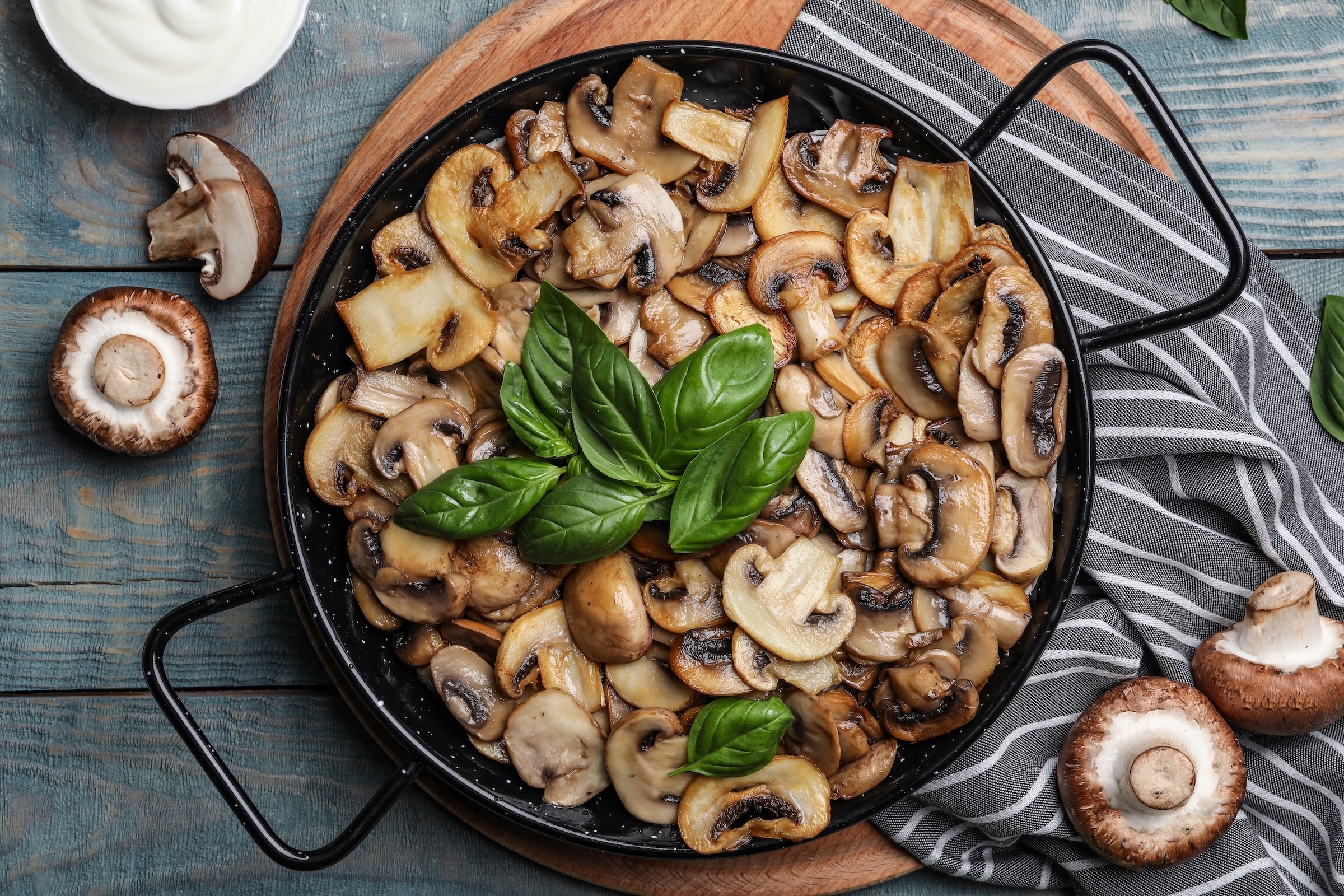
Mushrooms have long held a revered place in the culinary world, celebrated not only for their unique flavors and textures but also for their nutritional benefits. From the humble button mushroom to the exotic shiitake and truffle, these fungi offer a diverse range of culinary possibilities. In this blog, we will explore the different types of edible mushrooms, their health benefits, culinary uses, and how to incorporate them into your meals.
A Brief Overview of Mushrooms
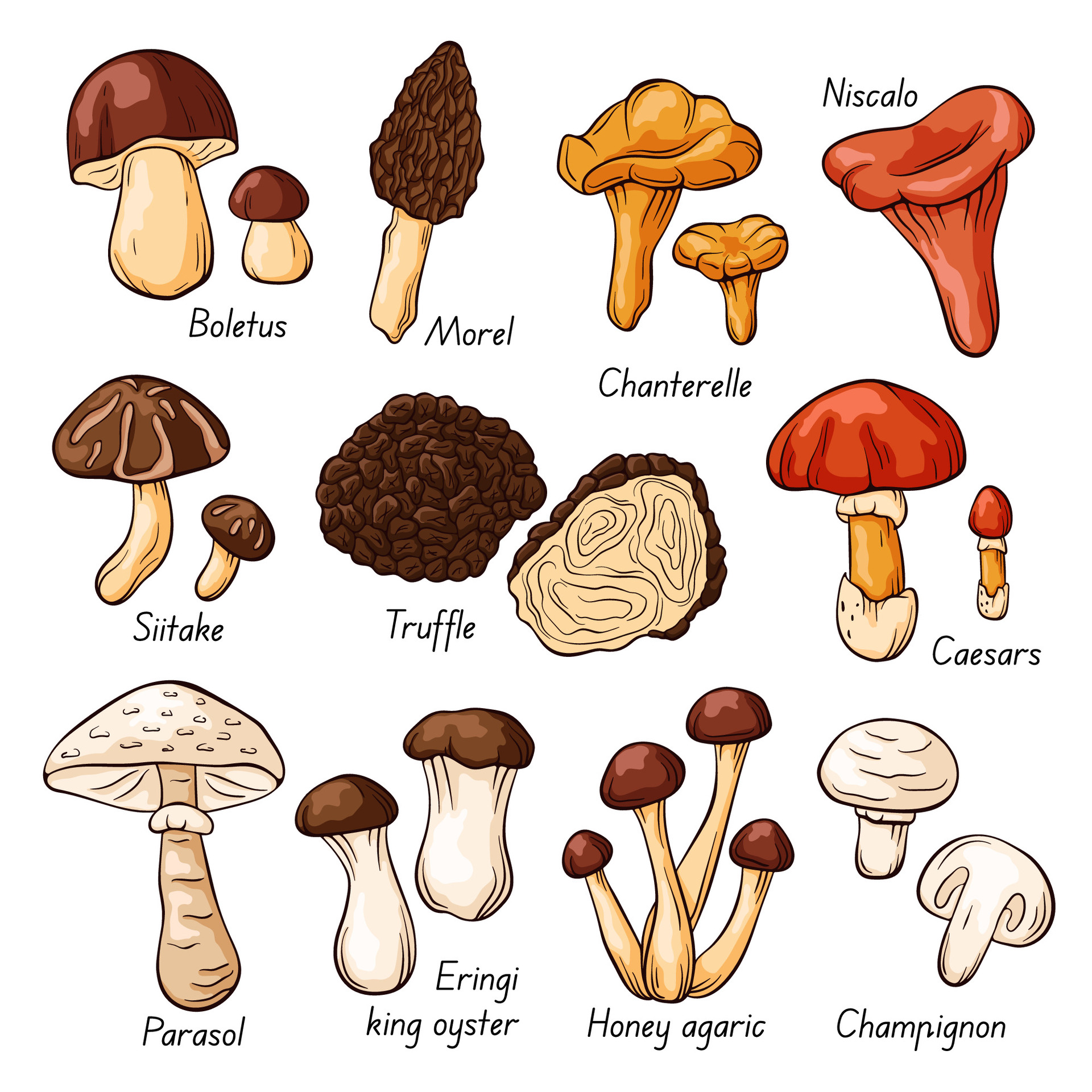
Mushrooms are classified as a type of fungus. Unlike plants, mushrooms do not contain chlorophyll and obtain nutrients from organic matter. There are thousands of mushroom species, but only a fraction are edible. Common edible varieties include:
 Nutritional Benefits of Mushrooms
Mushrooms are delicious and packed with nutrients. Here are some key health benefits:
1. Low in Calories:
Most mushrooms are low in calories, making them an excellent choice for weight management.
2. Rich in Vitamins and Minerals:
Mushrooms are a good source of B vitamins, including riboflavin, niacin, and pantothenic acid, which play vital roles in energy metabolism. They also contain essential minerals like selenium, potassium, and copper.
3. Antioxidant Properties:
Mushrooms contain antioxidants, such as ergothioneine and glutathione, which help protect cells from oxidative stress and lower the risk of chronic diseases.
4. Immune Support:
Certain mushrooms, such as shiitake and reishi, have been shown to boost the immune system and have anti-inflammatory properties.
5. Source of Fiber:
Mushrooms are a good source of dietary fiber, which supports digestive health.
6. Vitamin D:
When exposed to sunlight, mushrooms can produce vitamin D, which is essential for bone health and immune function.
Culinary Uses of Mushrooms
Mushrooms can be used in a variety of culinary applications, adding depth and flavor to dishes. Here are some popular ways to incorporate mushrooms into your meals:
1. Soups and Stews:
Mushrooms add umami flavor to soups and stews. Consider making a hearty mushroom soup or adding them to vegetable or beef stews for extra flavor.
2. Stir-Frys:
Slice mushrooms and toss them into your favorite stir-fry. Their texture holds up well to high heat, making them perfect for quick cooking.
3. Salads:
Raw mushrooms can be thinly sliced and added to salads for a crunchy texture. Consider using cremini or button mushrooms in a fresh garden salad.
4. Pasta Dishes:
Sautéed mushrooms pair beautifully with pasta. Try adding them to a creamy mushroom sauce or tossing them with garlic and olive oil for a simple yet satisfying dish.
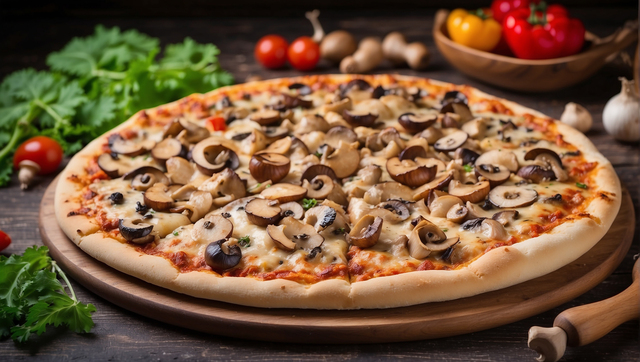
5. Pizza Topping:
Mushrooms are a classic pizza topping. Experiment with different varieties to enhance the flavor profile of your favorite pizza.
6. Grilling:
Large mushrooms, such as portobellos, are perfect for grilling. Marinate them in balsamic vinegar or olive oil and grill them for a delicious and meaty alternative to a burger.
7. Stuffing:
Use mushrooms as a stuffing for chicken breasts or peppers. Mix them with breadcrumbs, cheese, and herbs for a flavorful filling.
8. Risottos:
Earthy mushrooms are a classic addition to risottos, providing depth and richness to the dish.
How to Store and Prepare Mushrooms
To get the most out of your mushrooms, proper storage and preparation are essential:
- Storage: Keep mushrooms in a paper bag in the refrigerator. This allows them to breathe and prevents moisture buildup, which can lead to spoilage. Avoid storing them in plastic bags, as this can cause them to become slimy.
- Cleaning: To clean mushrooms, use a damp cloth or a soft brush to remove dirt. Avoid soaking them in water, as they can absorb moisture and lose flavor.
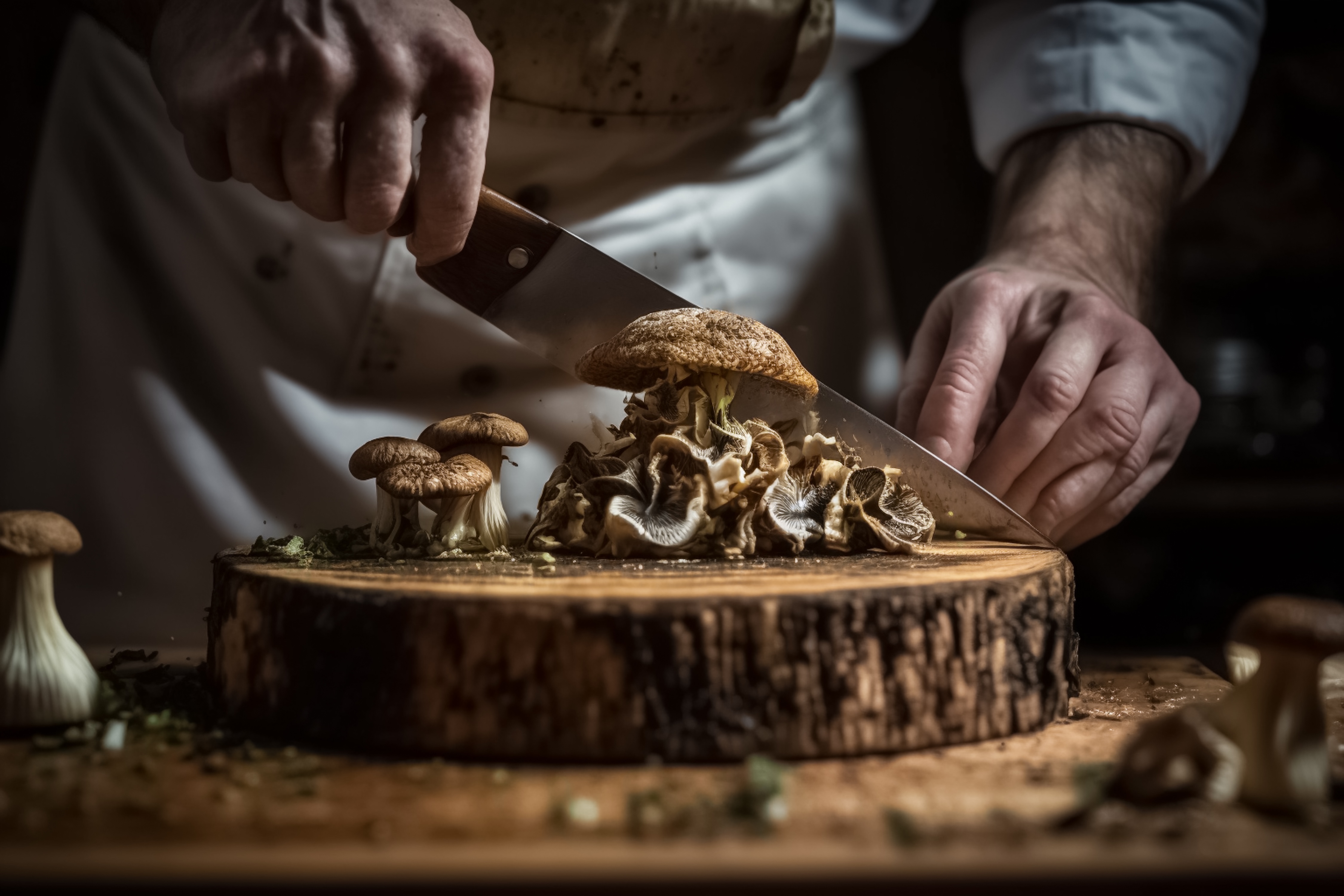
- Preparation: Most mushrooms can be eaten raw or cooked, but some varieties, such as shiitake, are best cooked to enhance their flavor and digestibility. Sautéing, roasting, grilling, or stir-frying are popular cooking methods.
Foraging for Wild Mushrooms
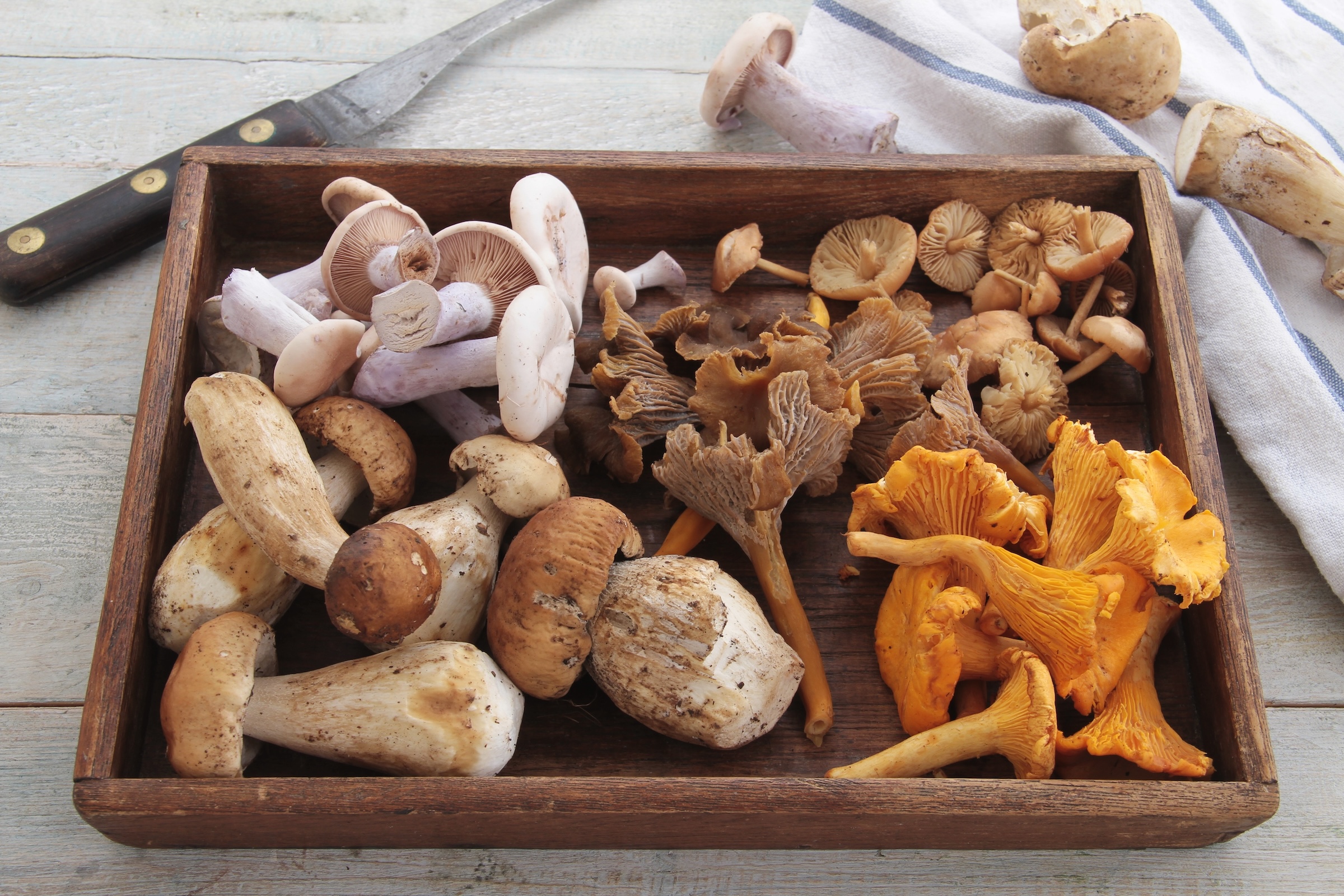
For those adventurous at heart, foraging for wild mushrooms can be an exciting activity. However, it is crucial to have proper knowledge and guidance, as some wild mushrooms can be toxic. If you’re interested in foraging, consider joining a local foraging group or taking a class with an expert to learn about safe mushroom identification.
Mushrooms are a versatile and nutritious food that can enhance any meal. With their unique flavors, health benefits, and culinary flexibility, they deserve a prominent place in your kitchen. Whether you enjoy them sautéed, grilled, or in a comforting soup, mushrooms offer a delightful experience for the palate. So, the next time you’re planning a meal, don’t forget to include these marvelous fungi in your culinary creations. Embrace the world of mushrooms and discover all the delicious possibilities they bring to your dining table!