
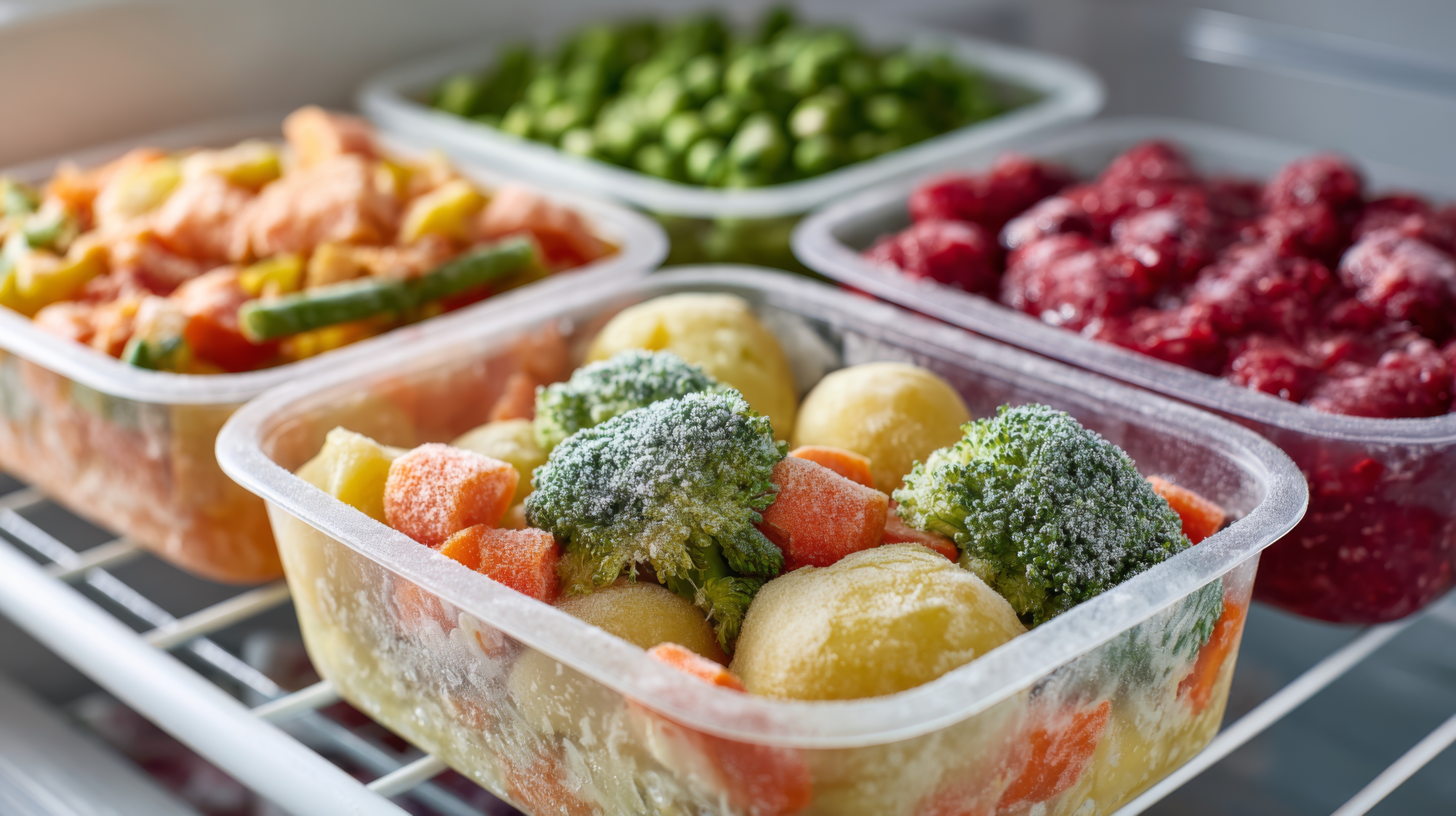
How Frozen Produce Saves Money, Time, AND Boosts Nutrition
Last week’s email expolored the topic of buying in-season vegetables to save money and boost freshness. This week, let’s talk about something that might just change your weeknight dinner game forever: frozen vegetables and fruits. I know, I know—you’ve probably heard that fresh is always best. But what if I told you that your freezer aisle could be your family’s nutritional goldmine AND your budget’s best friend?
Buckle up, because we’re about to bust some myths and discover why frozen produce deserves a permanent spot in your meal planning strategy!
The Shocking Truth About “Fresh” Produce
Here’s something that might surprise you: Is “fresh” broccoli sitting in your produce drawer? It’s been losing nutrients since the moment it was harvested. Studies from the University of California, Davis, found that fresh produce can lose up to 50% of its vitamin C content within a week of harvest. Meanwhile, frozen vegetables are typically flash-frozen within hours of picking, locking in nutrients at their peak.
In fact, a study published in the Journal of Food Composition and Analysis compared fresh and frozen produce across 8 different fruits and vegetables. The results? Frozen options matched or even exceeded the nutritional content of their fresh counterparts in most cases. That bag of frozen spinach might actually pack MORE nutritional punch than the somewhat wilted bunch you forgot about in your crisper drawer!
Show Me the Money: Real Savings for Real Families
Let’s talk dollars and cents, because feeding a family isn’t cheap. According to USDA data, families can save 30-50% by choosing frozen over fresh produce, especially for out-of-season items.
Here’s what that looks like in real numbers:
- Fresh berries: $4-6 per pound (and only in season)
- Frozen berries: $2-3 per pound year-round
- Fresh broccoli: $2.50-3.50 per pound
- Frozen broccoli: $1.50-2.00 per pound
For a family buying just 5 pounds of produce weekly, switching to frozen could save $400-600 annually. That’s a family vacation, new bikes for your kiddos, or a comfortable emergency fund cushion!

The Food Waste Factor: Stop Throwing Money in the Trash
Here’s a sobering statistic: American families throw away almost $3000 worth of food every year. Fresh produce is the biggest culprit, accounting for nearly 25% of household food waste.
Why? Because life happens. Soccer practice runs late. Someone gets sick. You order pizza because you just can’t even. That fresh kale you bought with the best intentions? It’s now a science experiment in your refrigerator.
Frozen produce eliminates this guilt-inducing cycle:
- No expiration anxiety—frozen vegetables last 8-12 months
- Use only what you need, save the rest
- No washing, chopping, or prep when you’re exhausted
- Always available, even at 6 PM on a chaotic Wednesday
Time Is Money (And Sanity!)
Speaking of chaotic Wednesdays—let’s address the elephant in the room. You’re BUSY. Between work, homework help, activities, and trying to remember if you fed the dog, who has time for elaborate meal prep?
Frozen produce is pre-washed and pre-chopped, ready to go. Those precious 15-20 minutes you’d spend washing and cutting fresh vegetables? That’s time for helping with homework, taking a breath, or actually sitting down while you eat.
Research from the American Frozen Food Institute shows that meals made with frozen vegetables take an average of 10-15 minutes less to prepare than those made with fresh vegetables. Over a year, that’s 60-90 hours back in your life. What would you do with an extra 90 hours?
Getting Kids on Board
Now, let’s tackle the kid question. Will they eat it? Here’s the beautiful thing about frozen produce: consistency. That bag of frozen corn tastes the same every single time. No bitter batches, no weird textures—just reliable, kid-friendly vegetables.
Plus, frozen fruits are naturally sweet and perfect for:
- Smoothies (throw them in straight from the freezer!)
- Yogurt parfaits
- Healthy “ice cream” alternatives
Many parents report that their picky eaters actually prefer certain frozen vegetables because of their milder flavor and consistent texture. The frozen peas that were flash-frozen at peak sweetness? Way more appealing than the starchy, older fresh ones.

The Environmental Bonus
Here’s an unexpected benefit: choosing frozen produce is actually better for the planet. Less food waste means less methane in landfills. Plus, frozen produce has a longer shelf life, which reduces the environmental cost of transportation and spoilage throughout the supply chain.
According to studies on food sustainability, reducing food waste has a greater environmental impact than buying local. So that bag of frozen vegetables? It’s a win for your wallet AND Mother Earth.
Smart Shopping Strategies
When shopping for frozen produce, look for:
- Plain vegetables without added sauces (you can always add your own seasonings)
- Organic options, which are often comparably priced to conventional fresh
- Store brands—they’re typically 20-30% cheaper than name brands with identical quality
- Bulk sales—frozen produce is perfect for stocking up
Best frozen picks for families:
- Mixed vegetables (ultimate convenience)
- Berries (phenomenal savings)
- Broccoli and cauliflower
- Spinach (perfect for sneaking into sauces)
- Mango and pineapple chunks

The Bottom Line
Choosing frozen vegetables and fruits isn’t settling—it’s strategizing. It’s recognizing that healthy eating doesn’t have to mean spending hours in the kitchen or breaking the bank. It’s about making sustainable choices that work for your real life, not some Instagram-perfect fantasy.
You’re already doing an amazing job keeping your family fed, loved, and moving forward. Adding frozen produce to your arsenal just makes that job a little easier, a little cheaper, and yes—even a little healthier.
So next time you’re at the grocery store, give that freezer aisle the attention it deserves. Your budget, your schedule, and your family’s nutrition will thank you!
Word Count: 1,048 words